
SUMMER CAMP 2026
Introduction to Skating Summer Camp 2026 Skating Summer Camp 2026 promises to be an exhilarating and enriching experience for young […]
Read more →Introduction to Skating Summer Camp 2026 Skating Summer Camp 2026 promises to be an exhilarating and enriching experience for young […]
Read more →
Balance in motion is a fundamental principle in roller speed skating, an exhilarating sport that combines speed, agility, and precision. This principle not only enhances performance but also ensures the safety of the skater. When skaters master their balance, they are able to navigate turns and maintain speed with grace and control.
In roller speed skating, achieving balance involves a dynamic adaptation of body position and weight distribution. Skaters must engage their core muscles while shifting their weight to the inside edge of the skating wheels. This constant motion embodies the essence of balance in action, allowing skaters to glide seamlessly across the rink.
To develop superior balance in motion, skaters should incorporate targeted training exercises into their routines. Drills that emphasize one-leg skating and controlled stopping can significantly improve stability and agility. Additionally, practicing turns and acceleration allows skaters to refine their balance, preparing them for competitive scenarios. Ultimately, fostering a sense of poise and equilibrium while skating is crucial for both performance and enjoyment of the sport.

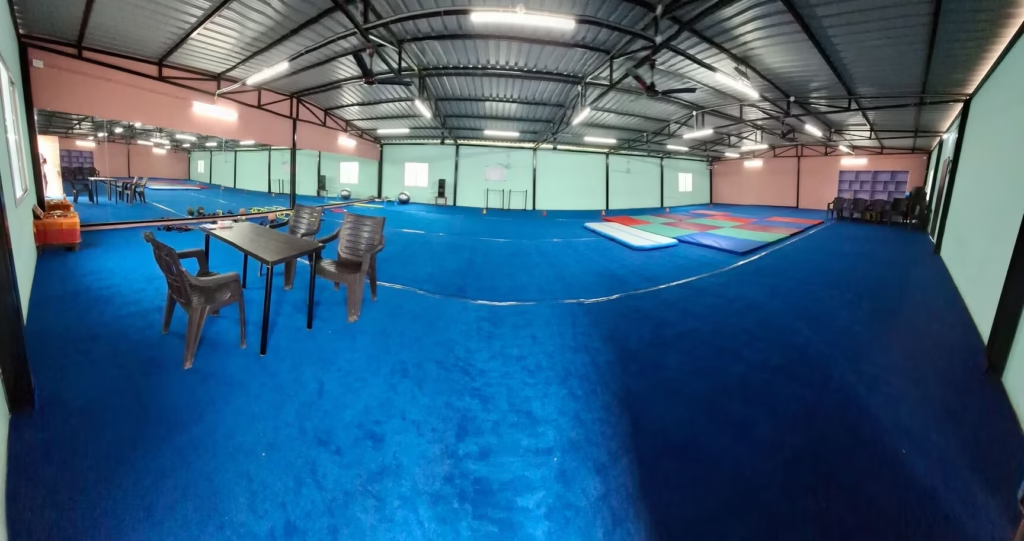
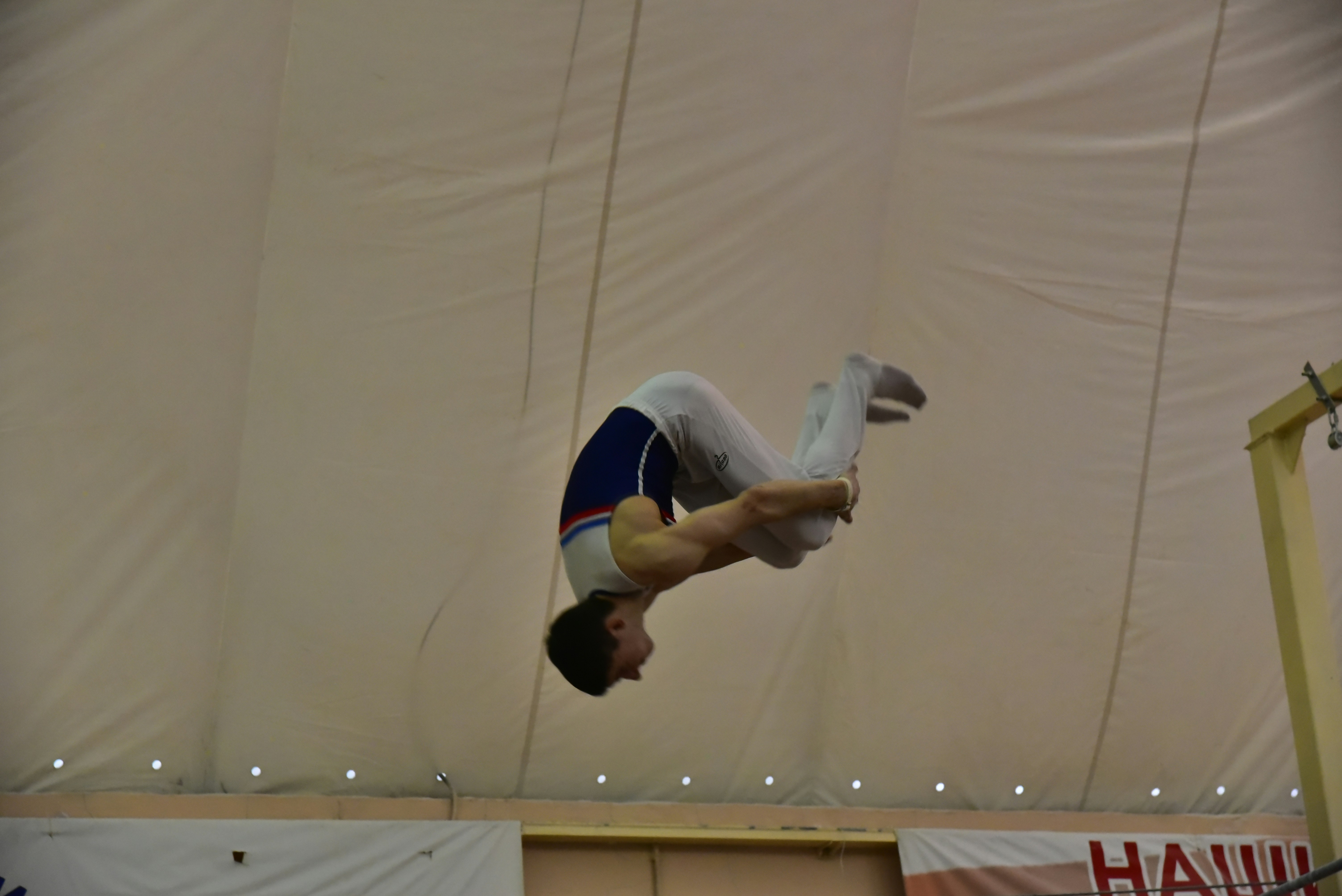
Gymnastics, traditionally viewed as a competitive sport, has evolved to encompass a myriad of benefits that extend far beyond the confines of the gymnasium. Its roots can be traced back to ancient Greece, where the term 'gymnastics' itself means 'to exercise naked,' reflecting the emphasis on physical prowess. This historical nuance has shaped gymnastics into a discipline focused on body control, strength, flexibility, and precision, influencing everyday physical functions.
In modern times, the principles of gymnastics have integrated seamlessly into daily life, promoting not only physical strength but also enhancing coordination and flexibility, which are essential for performing routine activities. Techniques such as balance, body awareness, and spatial orientation inherent in gymnastics can profoundly impact movements from simple tasks like lifting objects to more complex engagements like dancing or participating in recreational sports.
The relevance of gymnastics in enhancing daily life is multifaceted. By practicing gymnastic elements such as stretching routines and strength-building exercises, individuals can improve their physical capabilities and overall well-being. Activities that require bending, jumping, or lifting can be performed more efficiently and safely through training that emphasizes agility and core strength. Moreover, embracing the philosophy of gymnastics encourages a holistic approach to health; it underscores the importance of movement, thus inspiring individuals to remain active and vigorous throughout their lives.
Ultimately, gymnastics is not confined to the realm of athletes; it serves as a foundational exercise regime that can educate and equip individuals in their everyday undertakings. By integrating these principles into our lifestyles, we foster a culture of movement that values flexibility and strength, leading to enhanced quality of life.
Gymnastics is widely recognized as a comprehensive form of physical training that offers a multitude of benefits. One of the most significant advantages it provides is improved flexibility. Through various movements such as splits, backbends, and shoulder stretches, participants enhance their joint mobility and muscle elasticity. A study published in the *Journal of Sports Medicine* underscores that consistent participation in gymnastics leads to considerable increases in range of motion, particularly in children and adolescents.
In addition to flexibility, strength is another critical benefit derived from gymnastics. The sport requires athletes to perform bodyweight exercises that engage multiple muscle groups simultaneously. For example, movements such as handstands, pommel horse exercises, and various floor routines develop upper body and core strength. Research conducted by the *American College of Sports Medicine* indicates that these exercises build functional strength, which is beneficial not only for gymnastics but also improves everyday activities.
Furthermore, practicing gymnastics enhances endurance. The high-intensity nature of routines encourages cardiovascular health and stamina. Gymnasts often execute multiple skills in quick succession, leading to increased aerobic capacity over time. Additionally, balance is a core component of gymnastics training, with routines demanding precise coordination. Activities such as beam routines and tumbling train the body's proprioception, improving overall balance and spatial awareness, which in turn diminishes the risk of injury.
Incorporating gymnastics into one’s fitness regimen can yield profound improvements in overall physical health. From increased flexibility and strength to enhanced endurance and balance, the advantages are well-documented. As such, gymnastics serves as an excellent foundation for a well-rounded fitness journey, supporting both athletic performance and general well-being.
Engaging in gymnastics offers a plethora of mental and emotional benefits that extend far beyond the physical activities involved. One of the fundamental advantages is the enhancement of focus. Practicing complex routines requires concentration and attention to detail, helping individuals develop mindfulness skills that can be applied in various aspects of life. This sharpened focus allows gymnasts to tackle challenging tasks more effectively, whether in academic settings or personal endeavors.
Moreover, gymnastics fosters a sense of discipline. The rigorous training associated with gymnastics cultivates an understanding of perseverance and dedication. As participants work tirelessly to improve their skills, they develop a resilient mindset, learning that dedication often leads to remarkable achievements. This discipline not only applies to their gymnastics routine but also spills over into other areas such as time management and goal setting, proving invaluable as they navigate life's challenges.
Additionally, gymnastics serves as an excellent outlet for stress and anxiety management. The physical exertion experienced during training and performance releases endorphins, which are natural mood boosters. Furthermore, mastering new skills instills a sense of accomplishment, effectively reducing feelings of stress and enhancing overall mental well-being. Many gymnasts report improved self-esteem and self-confidence, as overcoming challenges on the mat translates into a more positive self-image.
Finally, the supportive community found within gymnastics clubs fosters friendships and encourages a positive body image. Interacting with peers who share similar goals can enhance social skills and contribute to emotional resilience. As a result, gymnasts often feel empowered and uplifted, promoting greater emotional stability and increased confidence.
Incorporating gymnastics into your daily routine can significantly enhance your physical and mental well-being. The beauty of gymnastics lies in its versatility and accessibility, allowing individuals to adopt various exercises that require little to no equipment. Here, we will explore some practical strategies to seamlessly integrate gymnastics into your life.
First, consider simple stretching routines that can be performed at home or during breaks at work. Stretching not only improves flexibility but also helps reduce stress and tension. For instance, exercises like the butterfly stretch and cat-cow pose can be practiced easily while seated or on the floor and can be adapted for any skill level.
Next, incorporate balance exercises into your daily activities. Balancing on one leg while brushing your teeth or waiting for water to boil can not only strengthen your core but also improve your overall coordination. Another easy exercise is the wall handstand; simply place your feet against the wall and practice your balance and upper body strength while engaging in a serene moment of reflection or listening to music.
Moreover, think about adding dynamic movements to your warm-up or cooldown routines. Movements such as leg swings, arm circles, and gentle backbends can energize your day or relax your muscles post-workout. These aerobic exercises improve blood flow and enhance muscle flexibility, which is essential for maintaining a healthy body.
Lastly, consider joining an online gymnastics class or following instructional videos that guide beginners through various movements. This structured approach can provide motivation and help you learn proper technique, making the incorporation of gymnastics both enjoyable and beneficial.